
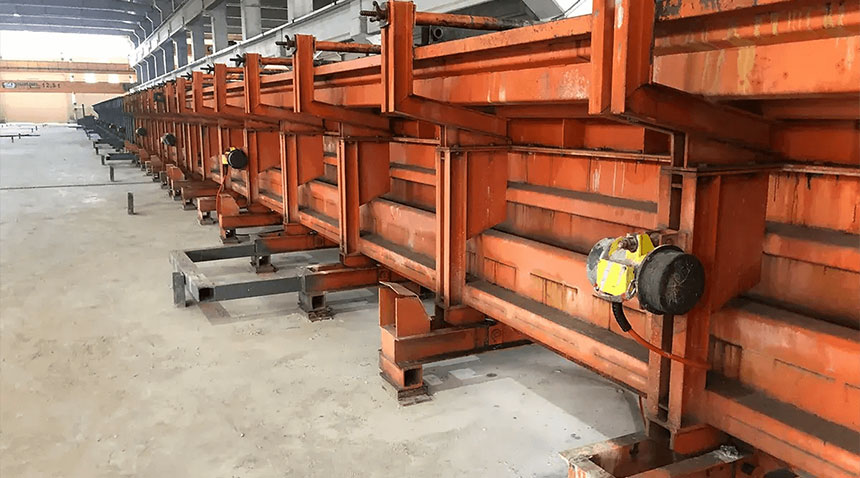
Formwork Concrete Compaction Sector
What Is the Importance of Vibration Motors in the Formwork Concrete Compaction Industry?
Formwork concrete compaction is one of the cornerstones of the construction industry. The durability and strength of concrete depend on the compaction methods applied. In this process, vibration motors play a critical role in effectively compacting the concrete mix and achieving a homogeneous structure.
What Is the Working Principle of Vibration Motors in the Concrete Compaction Industry?
Vibration motors are devices that convert mechanical energy into vibration. These vibrations expel air bubbles within the concrete mix, creating a denser and stronger structure. By ensuring that the concrete settles properly inside the formwork, high-quality results are achieved both aesthetically and in terms of durability.
What Are the Advantages of Vibration Motors in the Concrete Compaction Industry?
1. Fast and Effective Compaction: Vibration motors generate high-frequency vibrations, enabling the concrete to compact more quickly. This accelerates the production process and saves time.
2. High Quality and Durability: Concrete structures obtained through proper compaction have a lower risk of cracking and deformation. This is the key to creating long-lasting structures.
3. Homogeneous Distribution: Vibration motors ensure that concrete is distributed homogeneously within the formwork. This increases the durability of the structure and reduces maintenance costs.
4. Energy Efficiency: Formwork vibration motors have highly energy-efficient designs. This both reduces operating costs and decreases environmental impact.
Application Areas of Vibration Motors in the Formwork Concrete Compaction Industry
Formwork concrete compaction processes are used in various construction projects. Vibration motors are an indispensable tool in the production of precast concrete elements, road and bridge construction, ground improvement works, and many other areas.